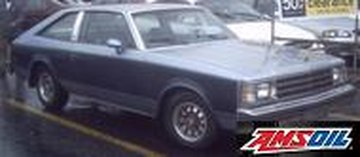
Maintaining Lubrication Standards for the 1981 Buick CENTURY 5.7L Diesel
Owning a diesel-powered vehicle from the early 1980s requires a dedicated approach to routine maintenance. The 1981 Buick CENTURY equipped with the 5.7L Diesel engine relies on consistent lubrication and regular inspections to maintain operational integrity. Because diesel engines operate under different mechanical stresses than gasoline counterparts, staying attentive to fluid conditions and component health is essential for long-term ownership.
Monitoring Fluid Integrity and Potential Leaks
One of the most effective ways to monitor the health of a 1981 Buick CENTURY 5.7L Diesel is through regular visual inspections of the engine bay. Over time, various seals and gaskets may undergo changes due to heat cycles and age. It is useful to look for any signs of fluid seepage or active leakage around the engine block and associated components.
When performing these checks, consider the following:
- Surface Seepage: Look for oily residue on the exterior of the engine or near sealing surfaces. Even small amounts of seepage can indicate that a seal is beginning to age.
- Puddle Identification: Regularly check the ground beneath where the vehicle is parked. Identifying the location of a drip can help narrow down which area requires attention.
- Fluid Appearance: If you are checking levels, observe the color and consistency of the lubricant. Significant changes in appearance may warrant further investigation into the engine's internal condition.
If any unusual fluid loss is detected, it should be investigated promptly to prevent larger issues from developing. Addressing minor seepage early can often simplify maintenance tasks later on.
Observing Operational Indicators
Beyond visual inspections of the engine itself, paying attention to how the vehicle behaves during operation provides valuable information. Changes in performance or unexpected sounds can serve as early indicators that a maintenance task is required.
An owner should be alert to several specific signs:
- Changes in Sound: Any new or unusual mechanical noises during startup or while idling may indicate that lubrication levels or component clearances are changing.
- Exhaust Observations: While exhaust characteristics can be influenced by many factors, any sudden or significant change in the color of the exhaust smoke should be noted and investigated.
- Warning Indicators: If the vehicle is equipped with specific dashboard indicators related to fluid levels or pressure, these must never be ignored. An active warning light requires immediate attention to prevent potential damage.
It is important to remember that a single symptom can have multiple underlying causes. For example, an unusual odor might indicate oil contacting a hot surface rather than a specific internal failure. Therefore, observations should be treated as prompts for professional inspection rather than definitive diagnoses.
Prioritizing Long-Term Maintenance Decisions
As a vehicle like the 1981 Buick CENTURY ages, maintenance strategies often shift from purely preventive to condition-based. Rather than following a rigid schedule based solely on the age of the vehicle, an effective approach involves assessing the current state of all mechanical systems.
To establish a reliable maintenance baseline, especially if the previous service history is unknown, consider these steps:
- Reviewing Records: Gather any available documentation regarding past repairs, fluid changes, and part replacements. This helps identify patterns or overdue services.
- Condition-Based Assessment: Inspect aging materials—such as hoses (if present) or electrical connections—to determine if they are still pliable and secure. Use their actual condition to decide if replacement is necessary.
- Addressing Immediate Needs: If active leaks or warning signs are present, these should take precedence over general preventive tasks.
By focusing on the actual condition of the components, an owner can distinguish between necessary repairs and unnecessary parts replacement, ensuring that maintenance efforts are directed where they provide the most benefit.
General Engine Bay Inspection Points
A thorough inspection during routine service can uncover issues before they escalate. When the hood is open, taking a moment to look at the surrounding components can be highly beneficial for the longevity of the 5.7L Diesel engine.
If equipped, inspect accessible drive belts for signs of wear such as cracking, glazing, or fraying. Similarly, if the vehicle has various hoses present, check them for stiffness, bulging, or evidence of leaks at the connection points. Electrical connections and wiring should also be inspected for signs of corrosion or damage to the insulation. Ensuring that the air filtration system is clean and free of debris is another fundamental aspect of maintaining engine efficiency.
Regularly checking these peripheral components ensures that the primary engine systems are supported by a healthy network of belts, hoses, and electrical paths.
Effective Record Keeping for Diesel Engines
For owners of classic diesel applications, maintaining a detailed log of all service activities is a highly practical habit. A well-documented history provides clarity when performing repairs or when attempting to understand the vehicle's maintenance needs over time.
A useful maintenance log should include:
- Dates and Mileage: Recording exactly when a service was performed and the odometer reading at that time.
- Fluid Details: Noting the specific type of lubricant or coolant used, as well as any additives included.
- Component Replacement: Listing the specific parts replaced, including part numbers if available, to ensure consistency in future repairs.
- Observations: Writing down any minor leaks, noises, or behaviors noticed during a service interval.
This level of detail helps in identifying whether certain components are reaching the end of their service life and allows for more informed decision-making regarding future maintenance priorities.
Practical Advice for BUYING ENGINE OIL for your 1981 Buick CENTURY 5.7L
When it is time to replenish or change the lubricant in your 1981 Buick CENTURY 5.7L, accuracy is the most important factor. Because different engines have specific requirements for lubrication properties and additive packages, you must ensure that the product you select matches the application-specific information provided on this page.
Before making a purchase, follow these steps:
- Match the Application Data: Refer directly to the viscosity and specification information displayed in the application section of this webpage. Do not rely on general knowledge or assumptions based on the vehicle's age.
- Verify Product Labels: Once you have selected a potential oil, carefully check the container label to confirm it meets the requirements listed above.
- Consider Formulations: Depending on your engine's current condition and mileage, you may encounter various options such as conventional, synthetic blends, or high-mileage formulations. Some high-mileage formulations include seal-conditioning additives that may be useful for aging engines.
- Check Certifications: Ensure the oil meets the appropriate modern API service classifications relevant to your maintenance needs.
By strictly adhering to the vehicle-specific viscosity and application information shown on this page, you can ensure that your 1981 Buick CENTURY receives the correct lubrication for its specific engine configuration.